Stamp signed UE 1081 A.L.T. Earthenware, partly glazed,
Height 52 cm.
Condition: Wear from use. Cracks throughout.
Anna-Lisa Thomson (1905–1952) was a pioneering Swedish ceramicist and painter. She studied at the Technical School in Stockholm (1924–1928) and began her career at St. Erik Lervarufabrik, quickly becoming its artistic director. In the mid-1930s, she joined Upsala-Ekeby AB, where she, along with Sven Erik Skawonius and Vicke Lindstrand, transformed the company’s ceramic production.
Thomson’s designs combined function and artistry, earning international recognition in Paris (1937) and New York (1939). Her most famous work, the “Paprika” vase (1948), featured bold contrasts between rough stoneware and glossy glazes, produced in multiple shapes and sizes. Another notable piece, “Lancett” (1949), showcased relief decoration on urns. Her style favored simple, clean forms with painted or embossed plant and marine motifs, and she believed in making quality design accessible to the public through industrial collaboration.
In addition to ceramics, Thomson was a talented painter, creating colorful, nature-inspired works in her summer home in Grundsund
Stamp signed UE 1081 A.L.T. Earthenware, partly glazed,
Height 52 cm.
Condition: Wear from use. Cracks throughout.
Anna-Lisa Thomson (1905–1952) was a pioneering Swedish ceramicist and painter. She studied at the Technical School in Stockholm (1924–1928) and began her career at St. Erik Lervarufabrik, quickly becoming its artistic director. In the mid-1930s, she joined Upsala-Ekeby AB, where she, along with Sven Erik Skawonius and Vicke Lindstrand, transformed the company’s ceramic production.
Thomson’s designs combined function and artistry, earning international recognition in Paris (1937) and New York (1939). Her most famous work, the “Paprika” vase (1948), featured bold contrasts between rough stoneware and glossy glazes, produced in multiple shapes and sizes. Another notable piece, “Lancett” (1949), showcased relief decoration on urns. Her style favored simple, clean forms with painted or embossed plant and marine motifs, and she believed in making quality design accessible to the public through industrial collaboration.
In addition to ceramics, Thomson was a talented painter, creating colorful, nature-inspired works in her summer home in Grundsund

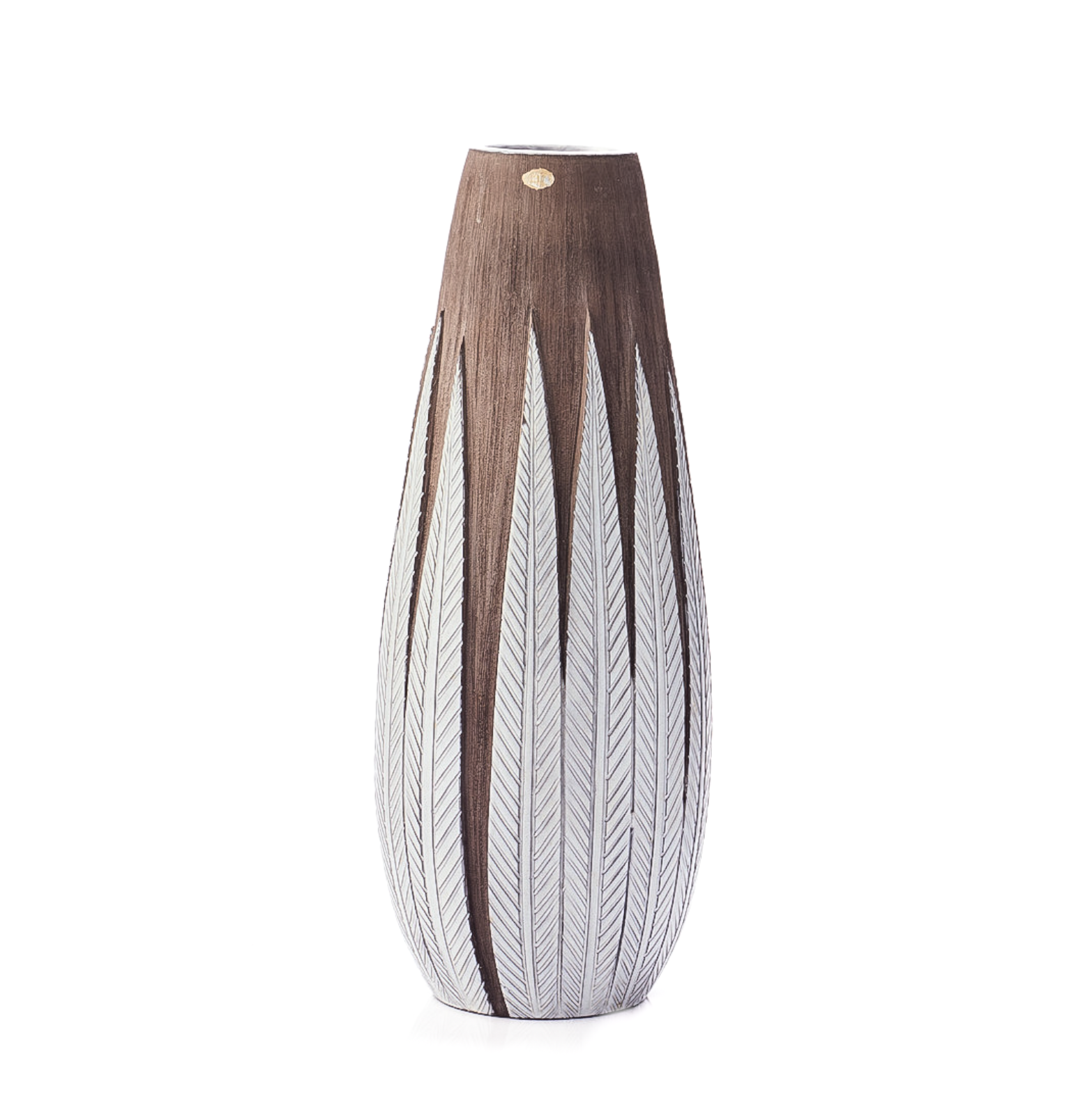 Image 1 of 6
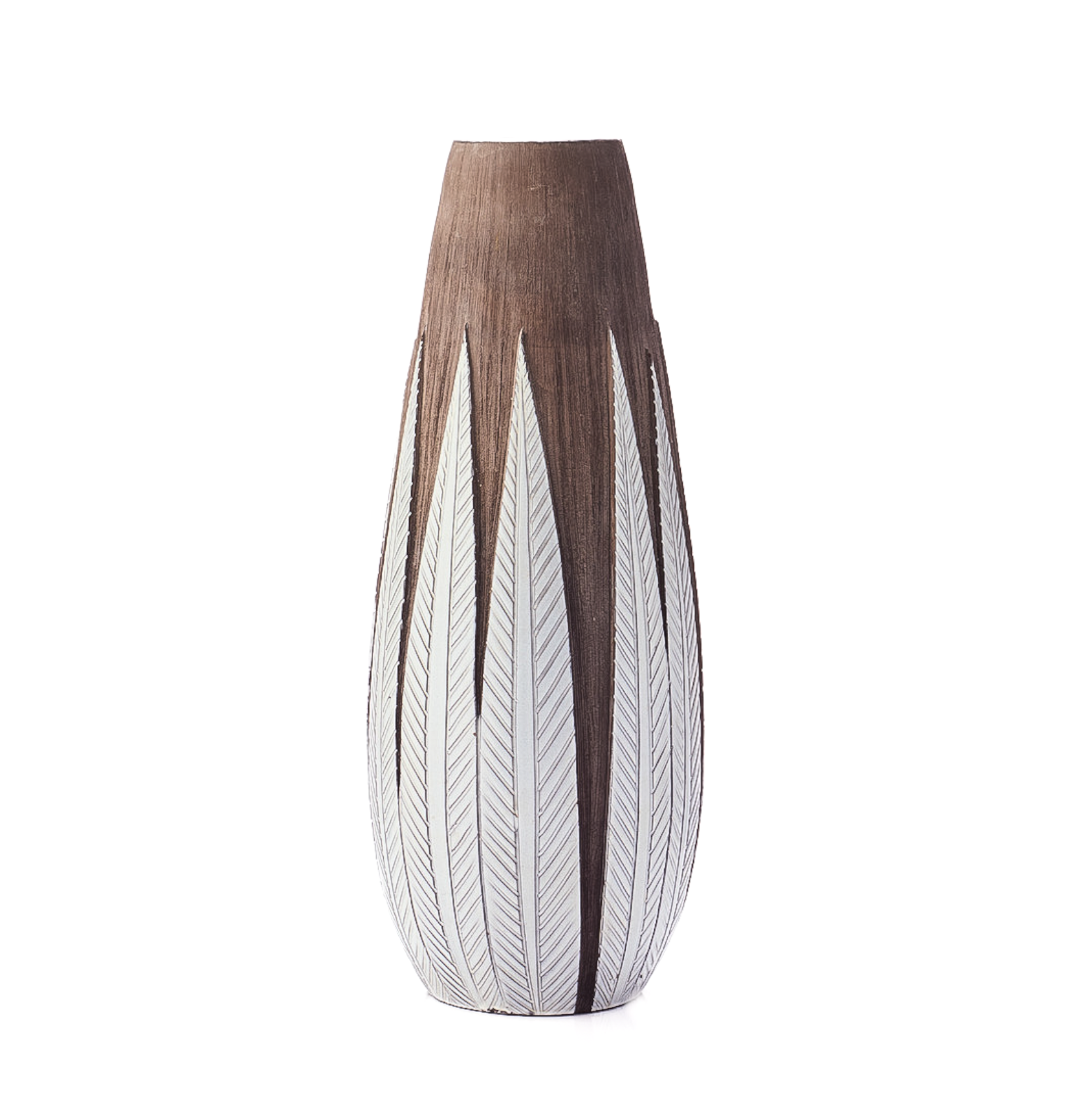 Image 2 of 6
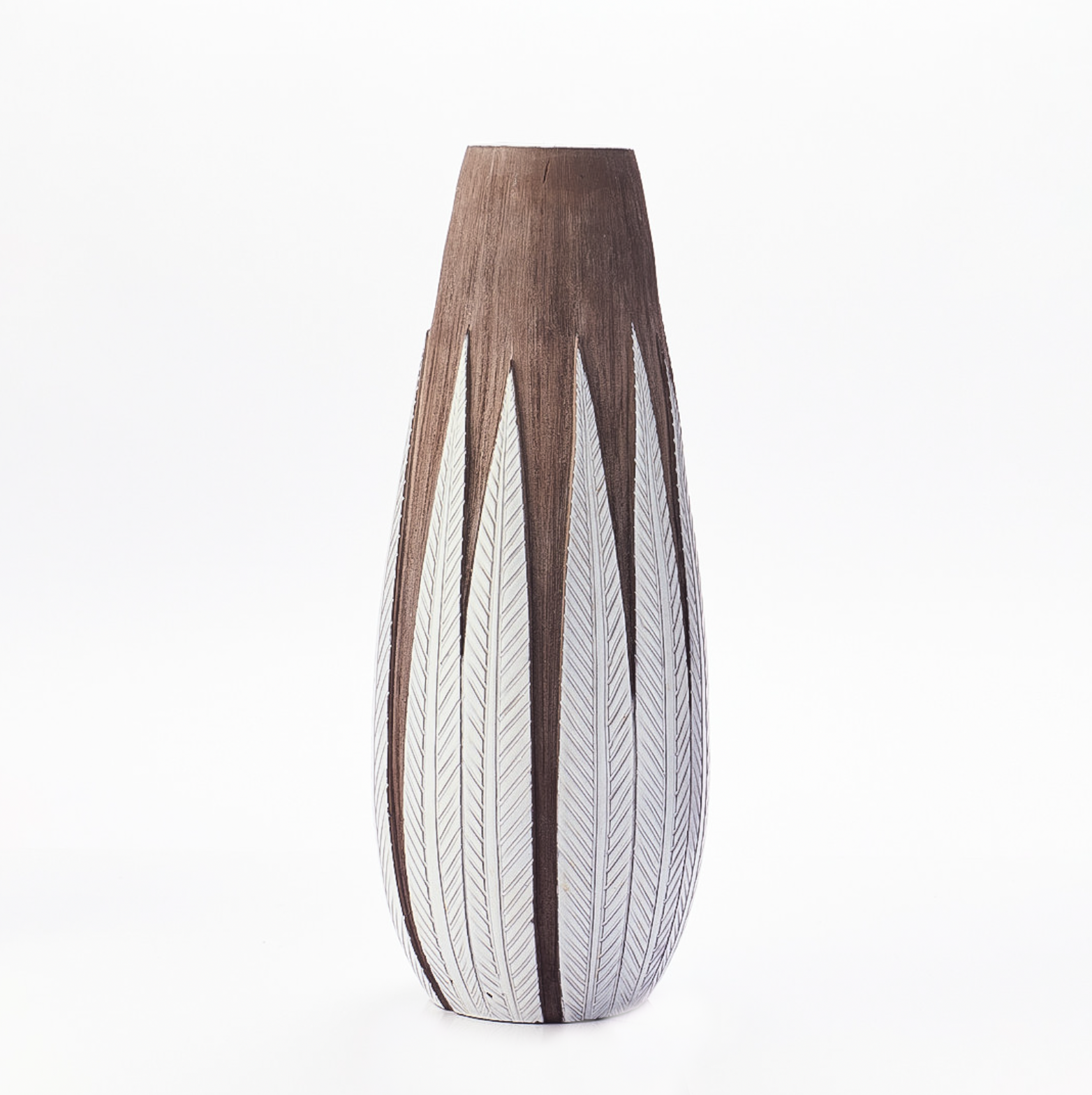 Image 3 of 6
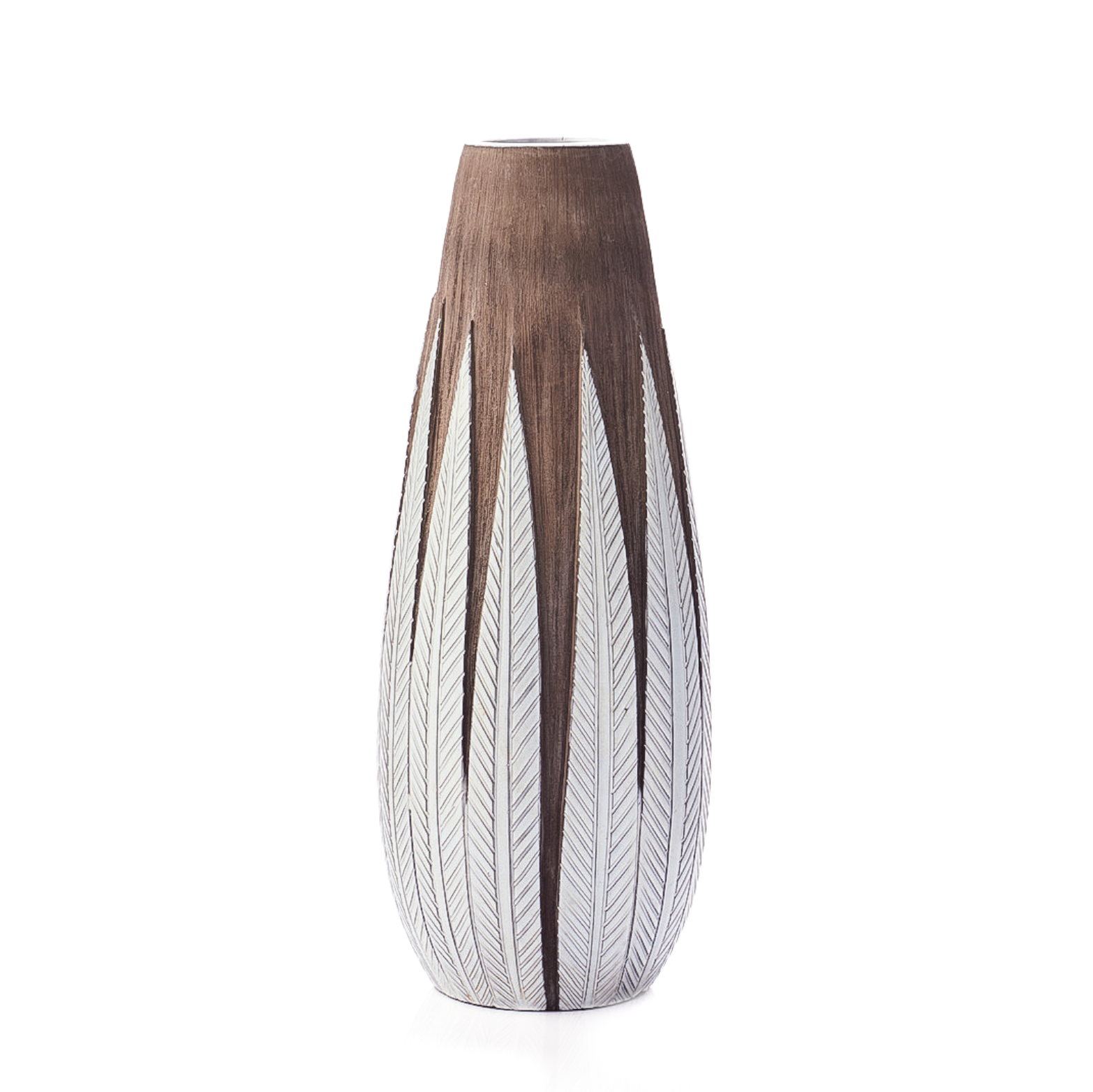 Image 4 of 6
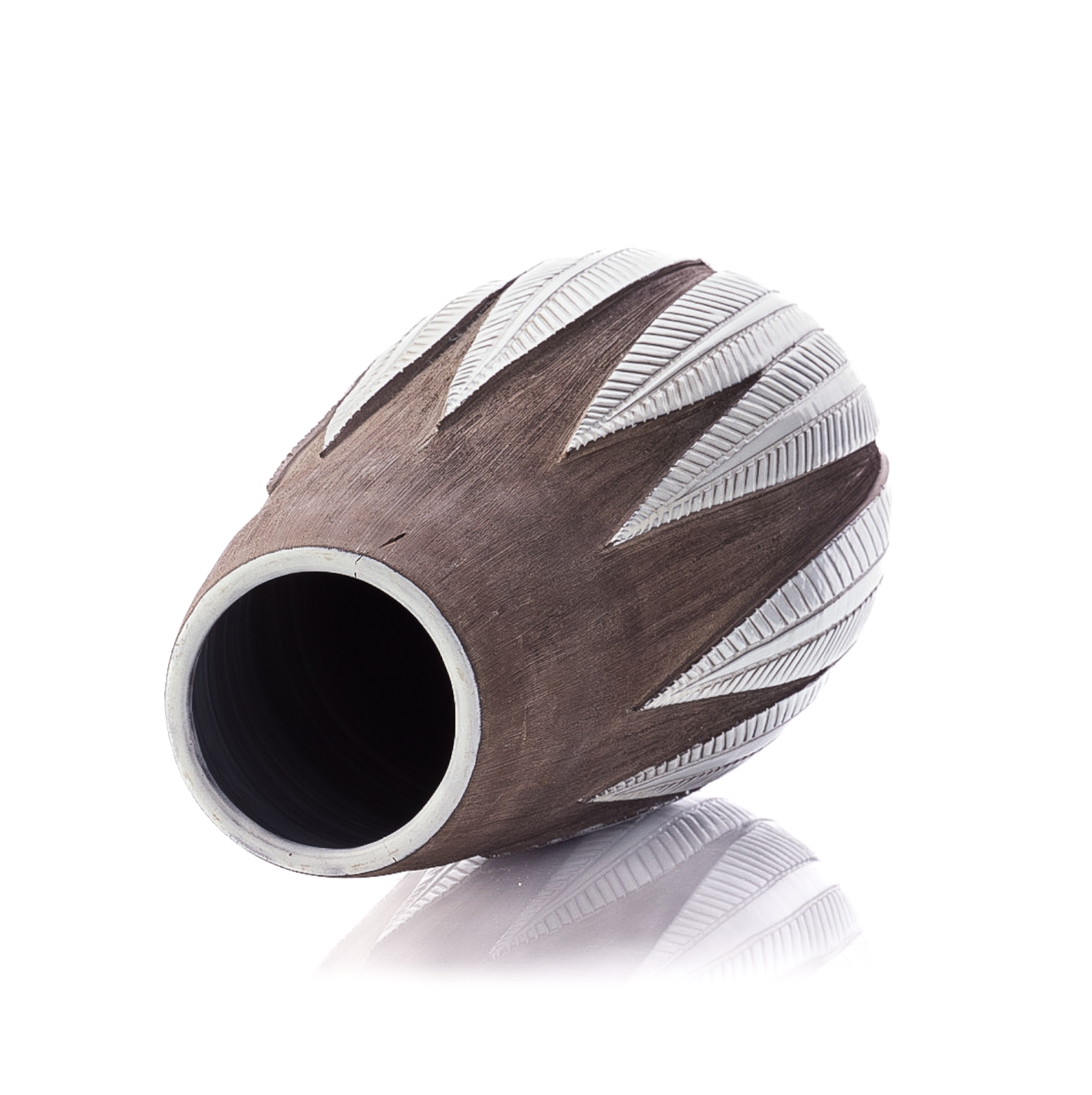 Image 5 of 6
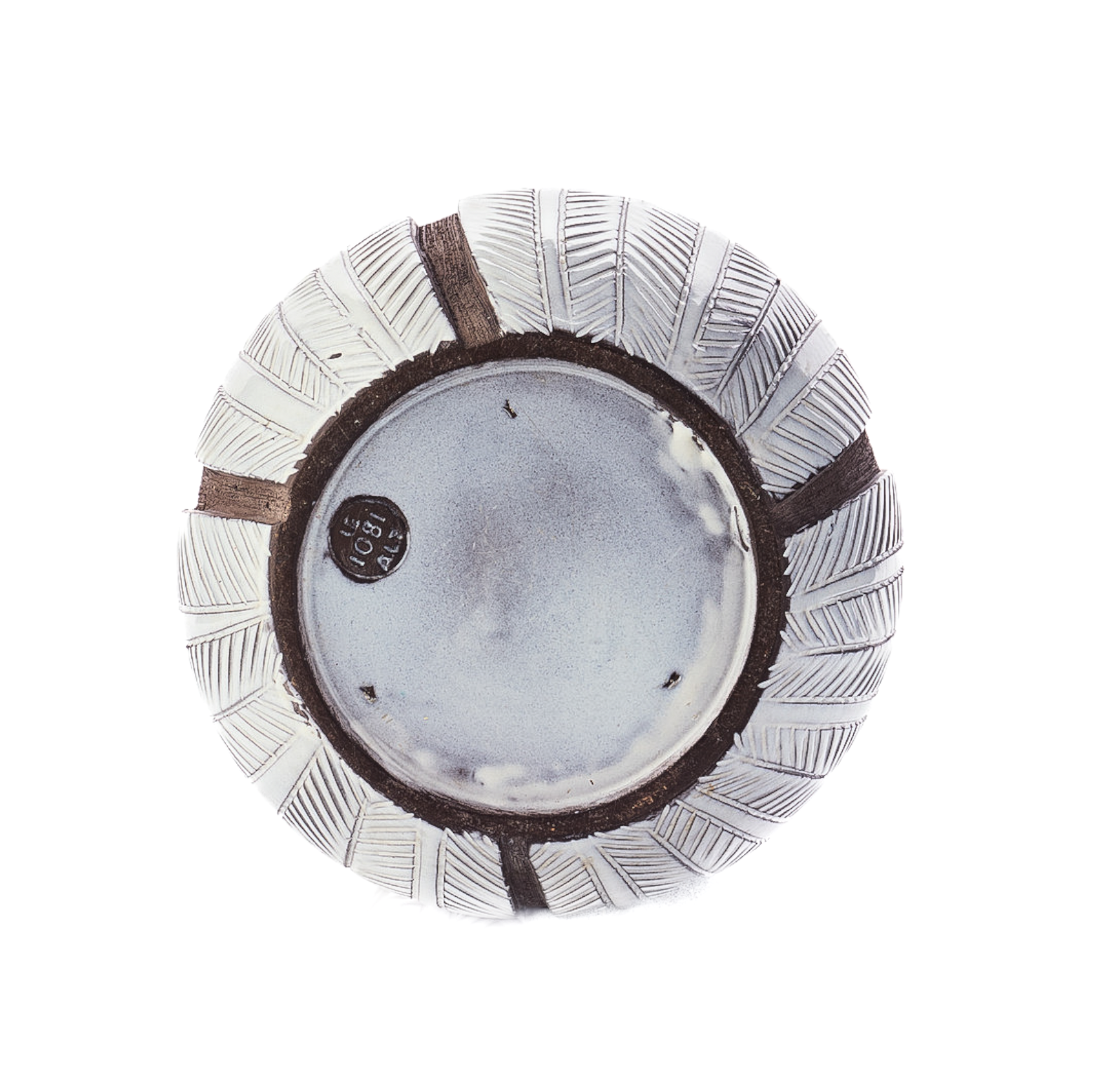 Image 6 of 6